For Sponsors & Pharma Partners
Built to make rare disease trials work
Uncommon Cures helps sponsors move from rare disease development strategy into clinical readiness and trial execution through a patient-centered, physician-led model built for the realities of rare disease.
Rare disease needs a different model
Rare disease does not fit a standard clinical trial model
Traditional clinical trial approaches are often not built for rare disease. Small patient populations, complex conditions, caregiver burden, and limited room for error require a more thoughtful path from the beginning.
Uncommon Cures was built for that reality. We help shape programs around the disease, the therapy, the patient population, and the practical realities of participation so studies are better designed, better prepared, and better executed.
When to bring us in
When sponsors typically engage Uncommon Cures
- Preclinical to first-in-human planning
- Protocol strategy and study design
- Regulatory Preparation
- Study Startup and Readiness
- Clinical Execution
![]()
Preclinical To First-In-Human Planning
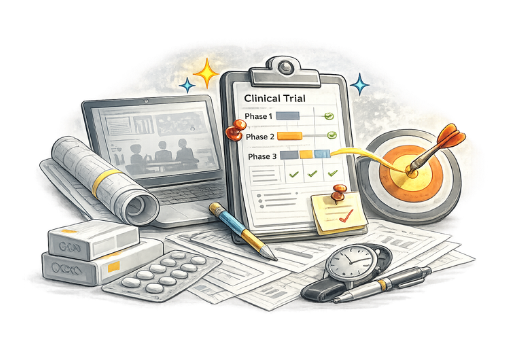
When the science is encouraging, the preclinical work is in place, and it is time to start building the clinical path.
![]()
Protocol Strategy And Study Design
When the trial needs to be built around rare disease realities, not forced into a conventional template.
![]()
Regulatory Preparation
When early FDA engagement, clear positioning, and practical planning matter.<BR><BR><BR>
![]()
Study Startup and Readiness
When the work needs to move from concept into a real operational plan.
![]()
Clinical Execution
When continuity, patient experience, and accountable delivery are critical to success.
What We Do
Design. Make Clinical-Ready. Execute.
Uncommon Cures supports rare disease programs across the full trial lifecycle, helping sponsors move from early strategy to operational readiness to real-world execution.
How we work with sponsors
True partnership, not hand-offs
Sponsors engage Uncommon Cures either as the core development and execution partner or as an integrated part of an ongoing effort. The goal is continuity across the full lifecycle so what is designed can realistically be delivered.
Strategy, readiness, and execution stay connected. Administrative burden is reduced through a more streamlined model. Centralized medical and operational leadership helps maintain consistency, speed, and accountability across locations. And because the infrastructure is scalable, the model can support highly specialized studies as well as broader global efforts.
- One contract, one IRB
- Full lifecycle consistency
- Centralized oversight
- Scalable infrastructure
Connected
from planning
to delivery
Why Us
Why sponsors choose Uncommon Cures
Sponsors choose Uncommon Cures when continuity, disease expertise, and execution accountability matter more than a fragmented traditional model.
Rare disease focus
Rare disease is not a side practice here. The model is built specifically around the scientific, operational, and recruitment realities that make these programs different.
Design + execution
Physician-led model
Clinical judgment stays close to operational decision-making, improving consistency and accountability across studies.
Faster study readiness
Global from one hub
Flexibility
Let’s talk about your program
Execution environment and reach
Execution capabilities built for real-world delivery
Our Team
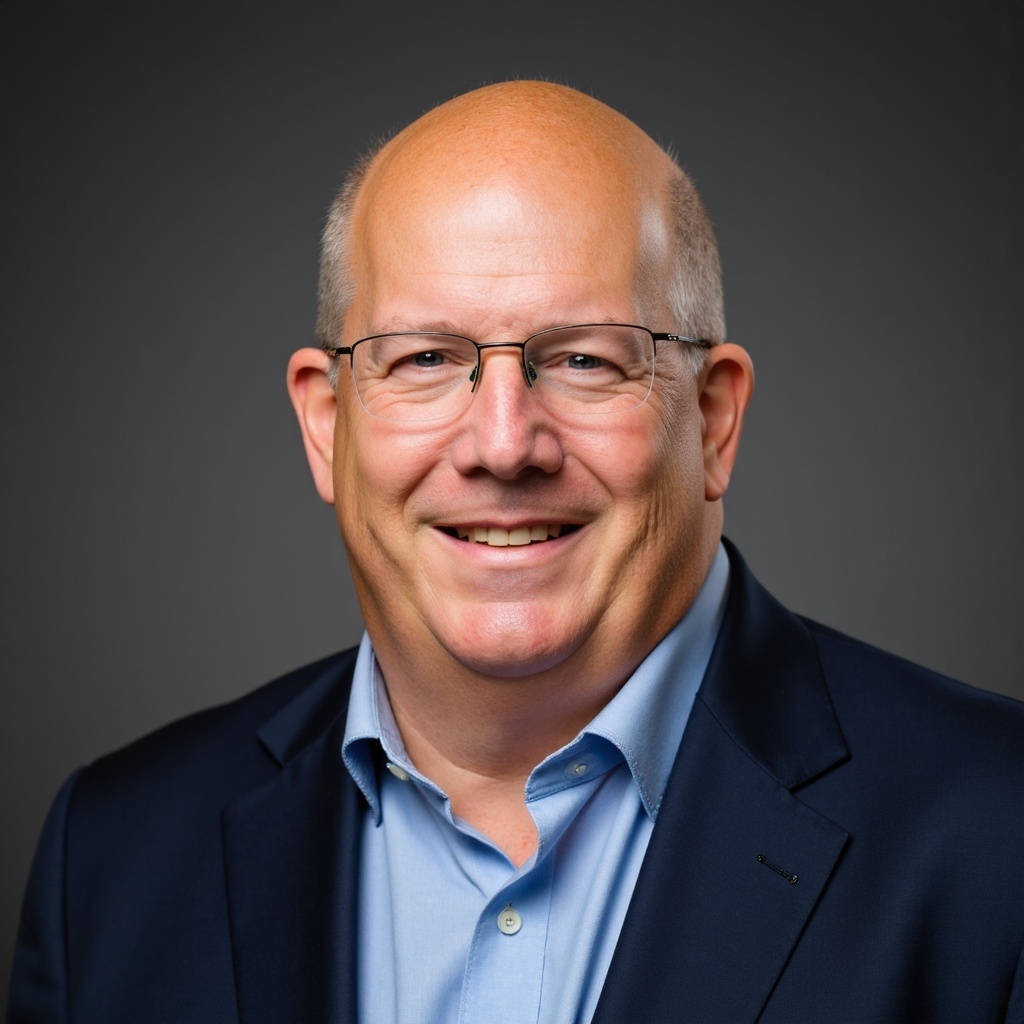
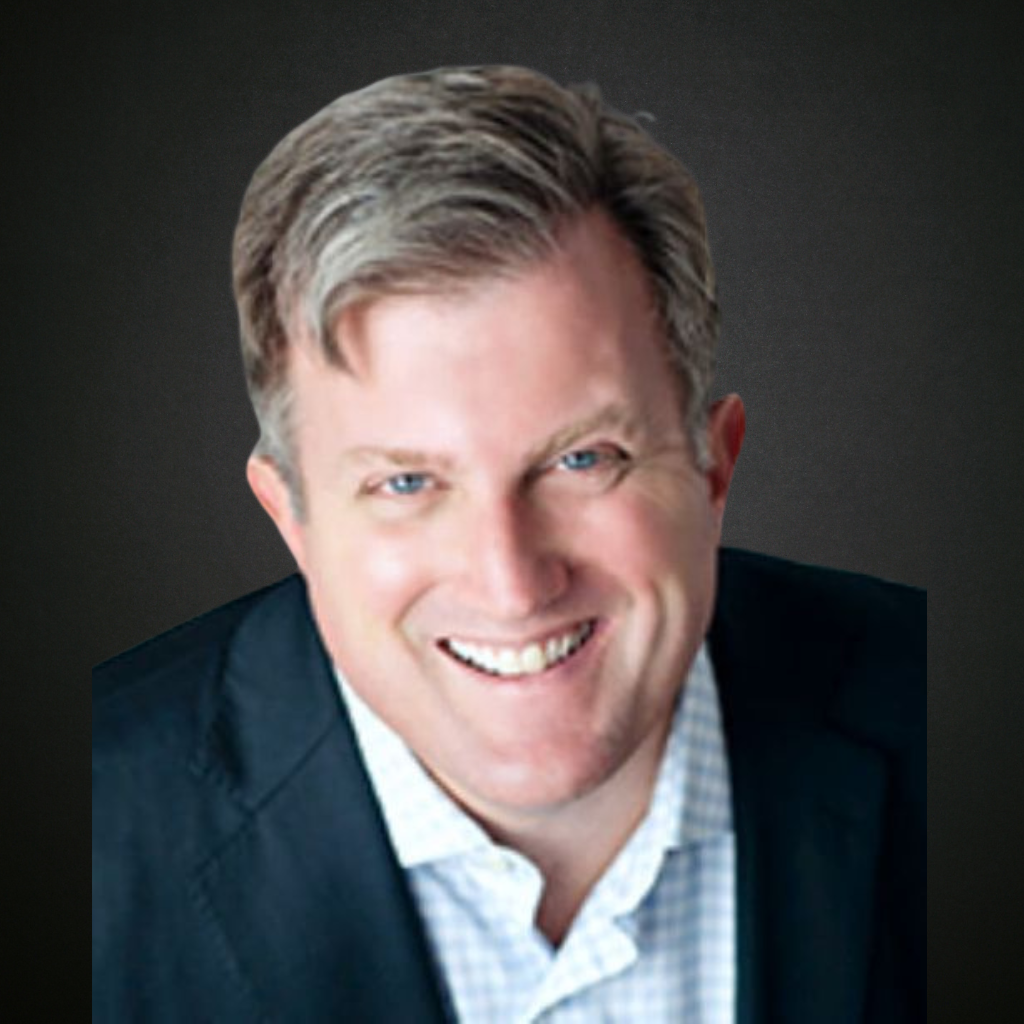
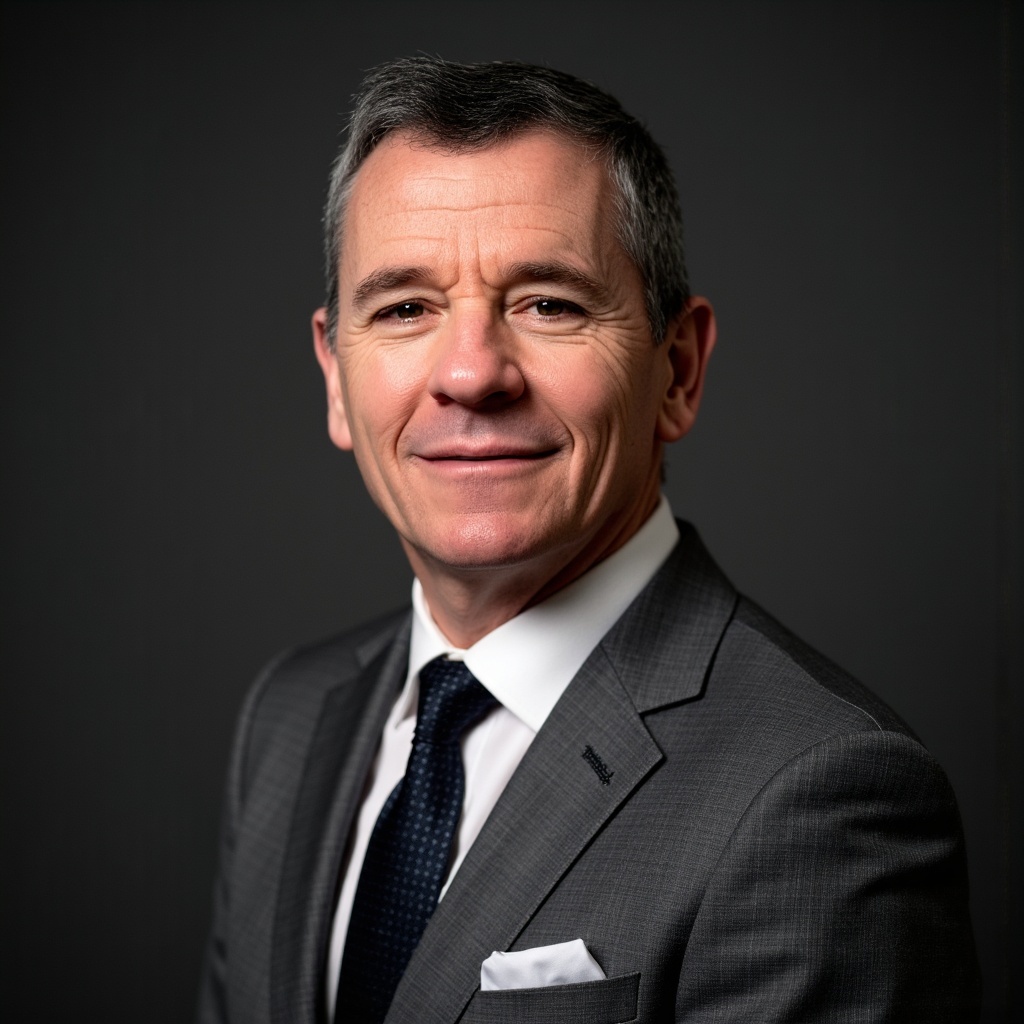
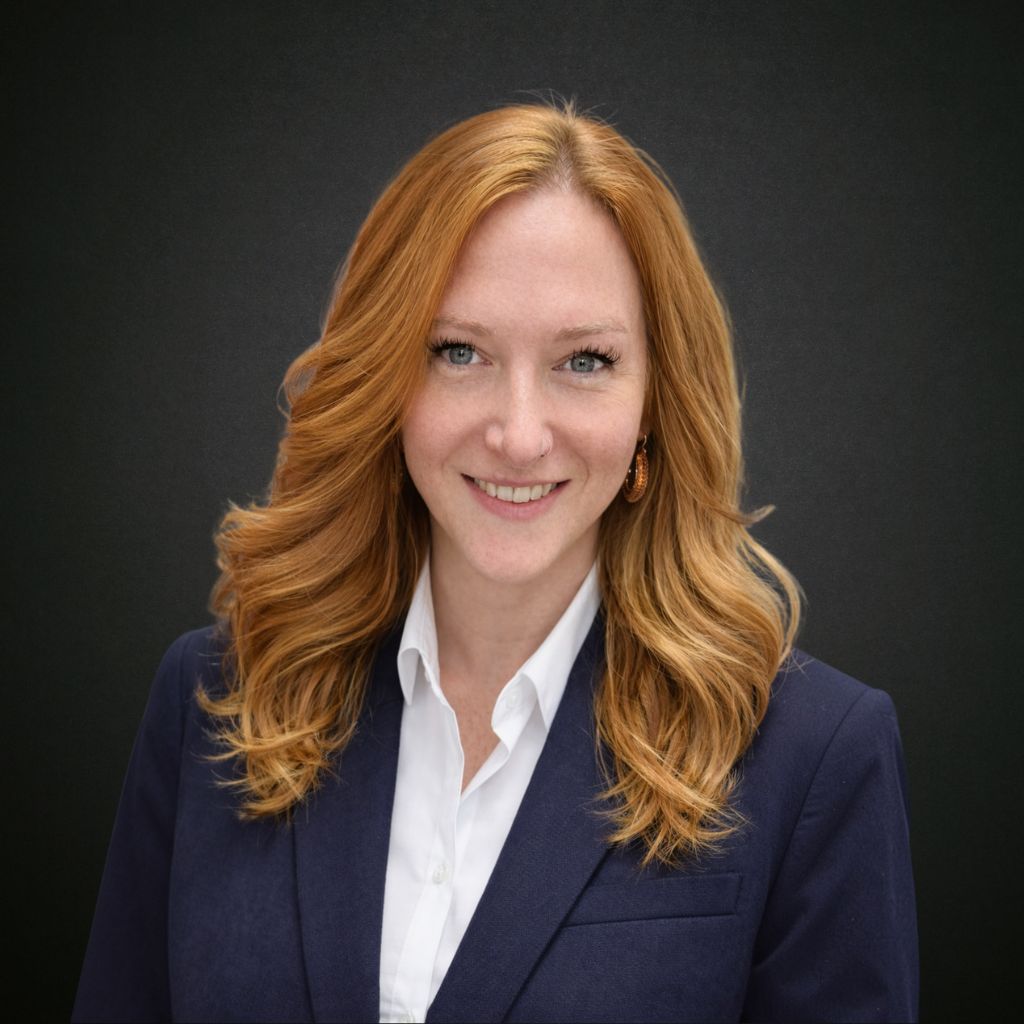
Experienced operators, not just advisors
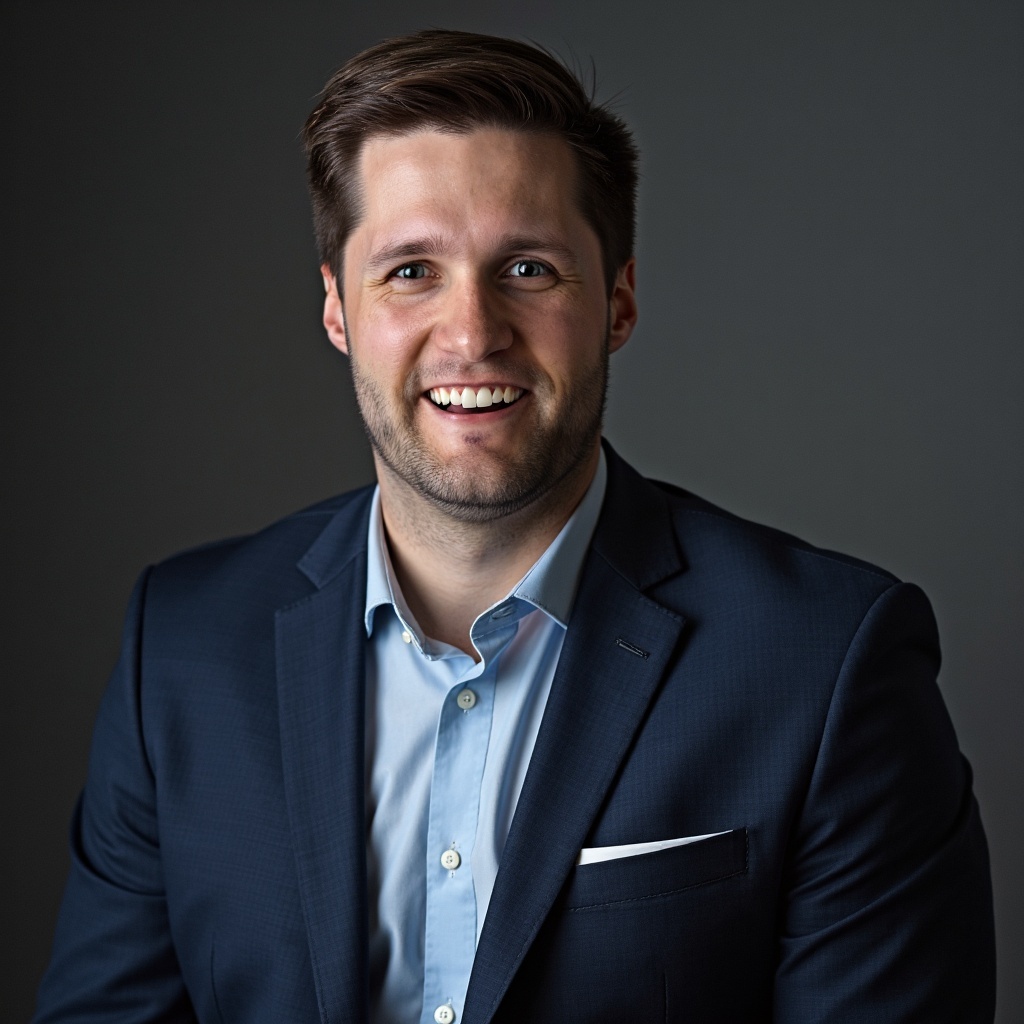
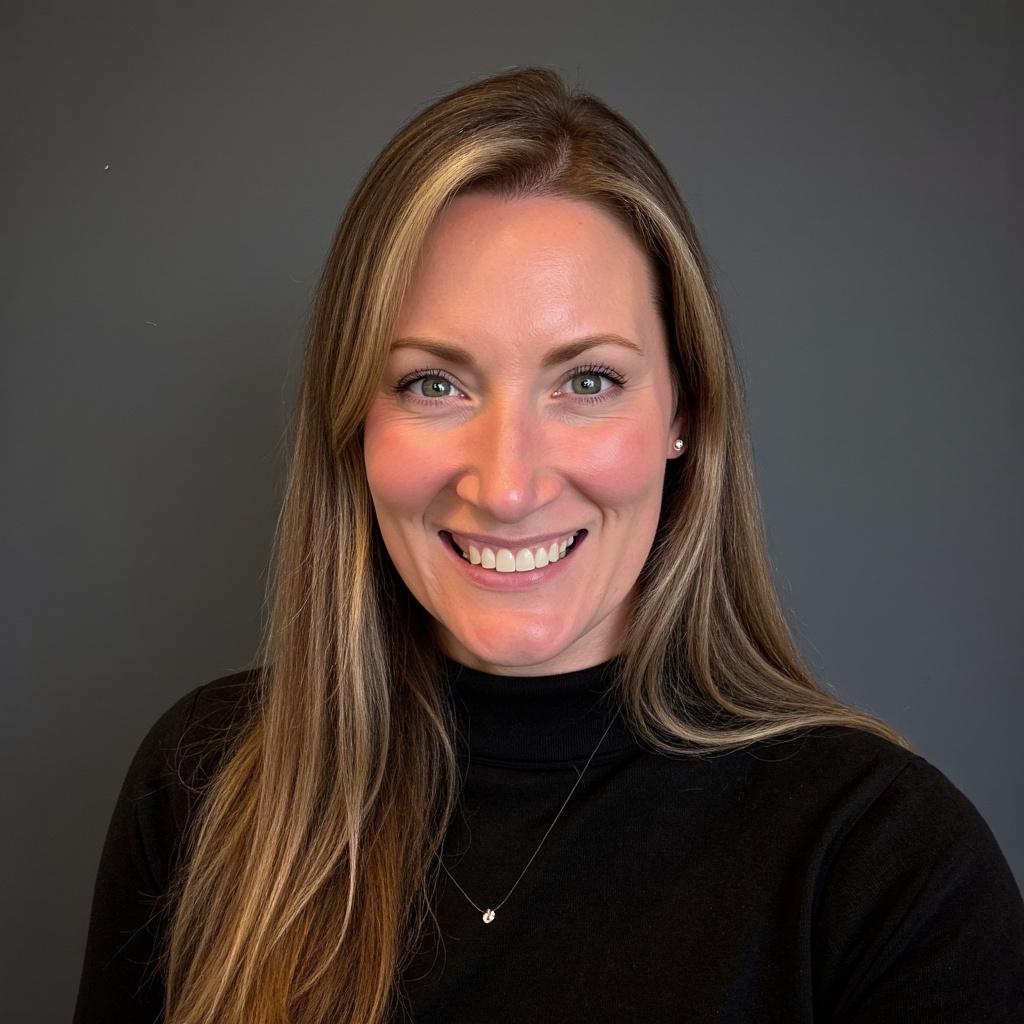
Uncommon Cures brings together clinical expertise, rare disease experience, and operational leadership under one model. We are not just advising from a distance. We are helping sponsors build programs that can work in the real world and helping patients participate in a setting designed with intention.
Years of Combined Experience
Efficiency Increase
Major Airports Nearby
Cups of Coffee Consumed
FAQ
Common questions about working with Uncommon Cures
When should we engage Uncommon Cures?
Do you only support studies at your own facility?
Can you work alongside an existing sponsor team or CRO?
What makes rare disease trial design different?
How does your model reduce hand-offs?
We connect development strategy, trial readiness, and execution so what is designed can realistically be delivered. Instead of separating planning, startup, and execution into disconnected silos, we keep those stages aligned under one model.